
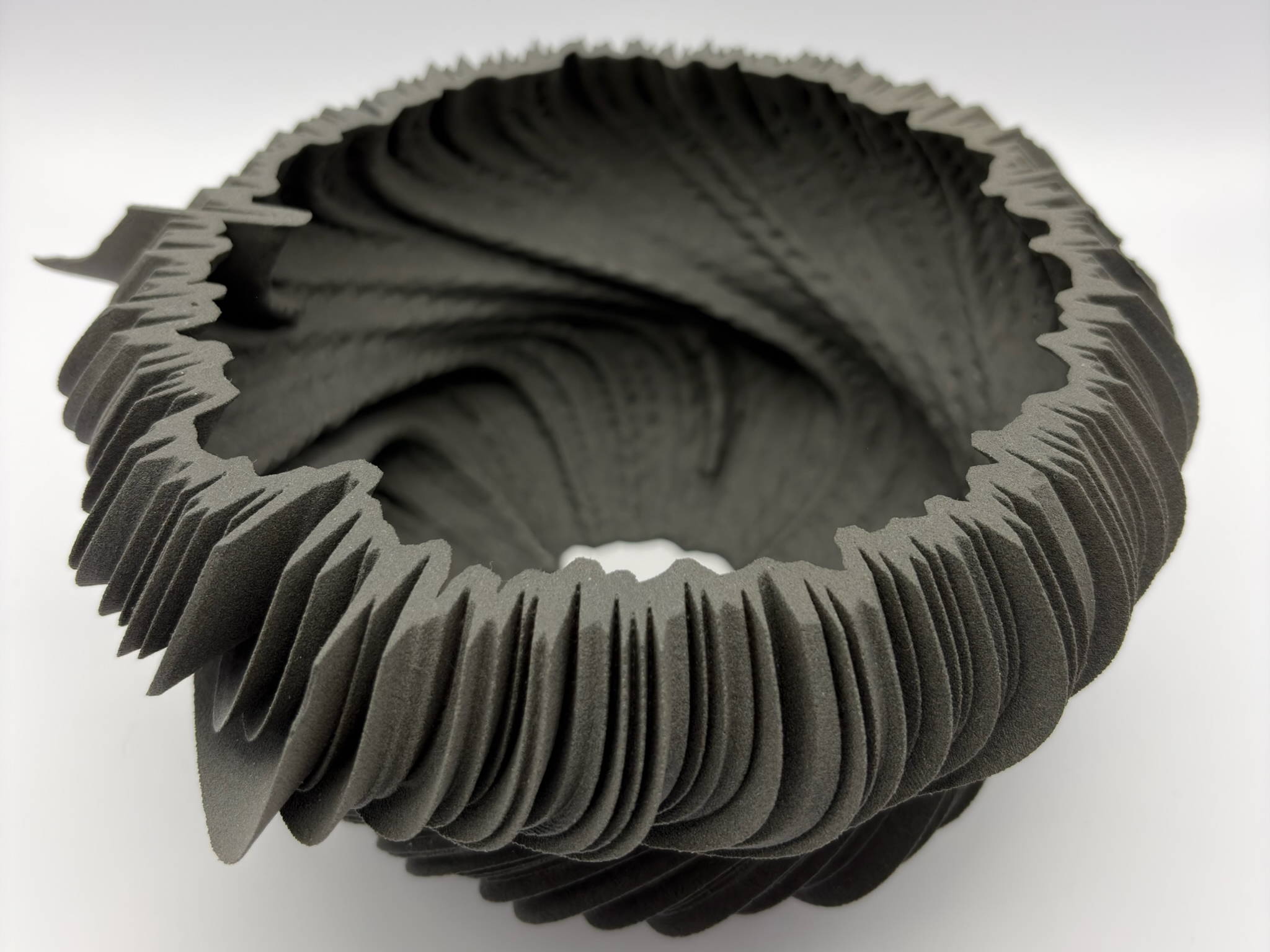
One hour apart
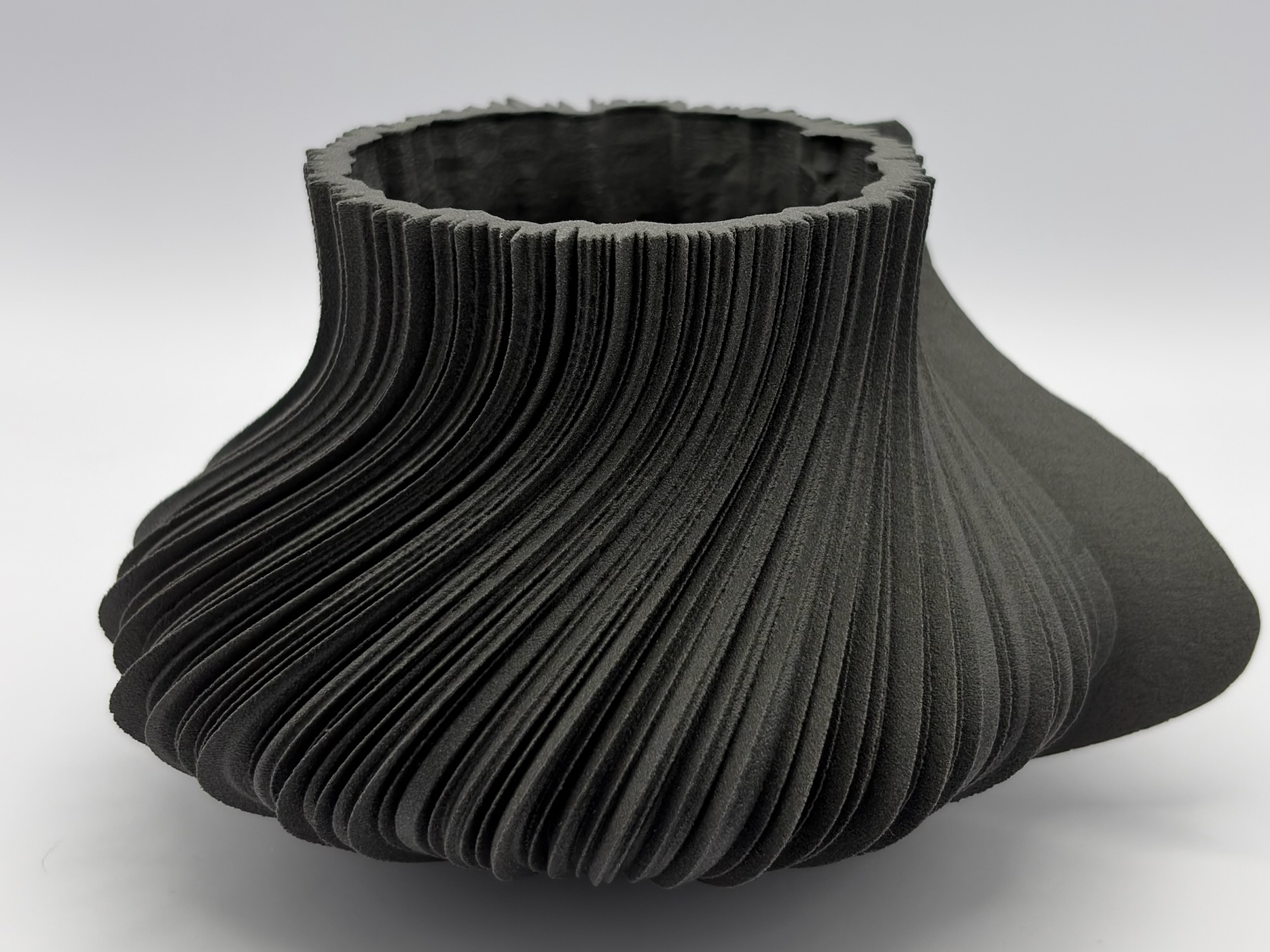
The difference between eight and nine hours of sleep, expressed as clear shifts in height and mass.
Nightly sleep data turned into permanent objects. Each night becomes its own artefact, so differences are something you can pick up, not just scroll past.
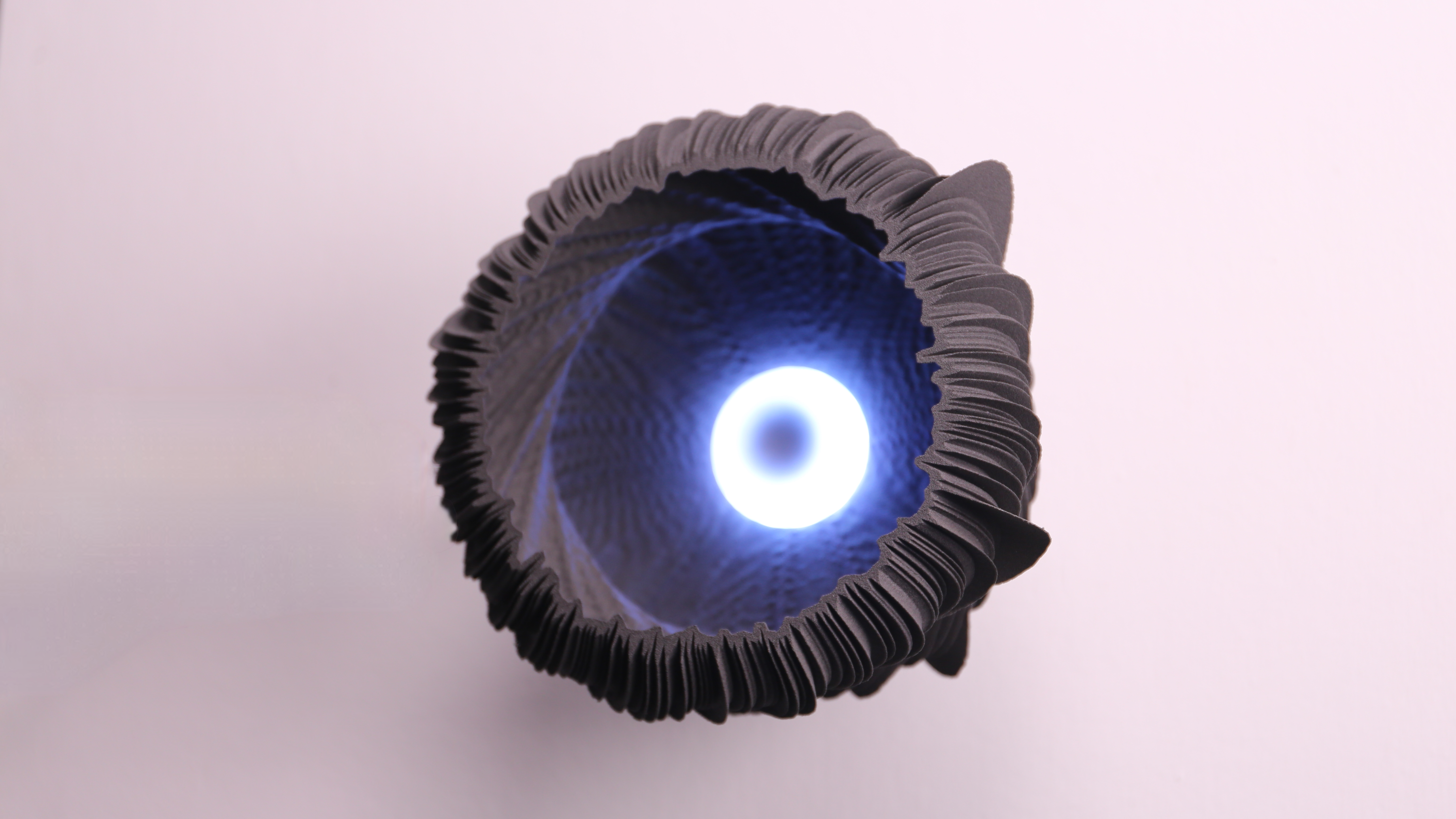
Sleep Symphony is my ongoing exploration of what happens when you treat sleep data as material rather than something to optimise in an app.
Most sleep tools produce charts that are checked once and forgotten. I wanted a calmer, slower way to understand my sleep - something I could live with over time. Sleep Symphony takes nightly data and turns it into objects where duration and quality are tangible.
Holding the difference between nine and eight hours of sleep makes that change feel real. It moves the conversation away from “optimising” and towards noticing patterns in a quieter, more reflective way.
Each collection is a physical archive of sleep from a chosen period - a week, a month, or a specific chapter. The pieces act as keepsakes, more intimate than photographs, capturing the rhythm and quality of rest during that time.
Because the mapping is consistent, more nights can be added later. New artefacts sit naturally alongside the originals, extending the archive without breaking it.
Selected pieces from the series, showing how small changes in the data become clear differences in form.
The difference between eight and nine hours of sleep, expressed as clear shifts in height and mass.
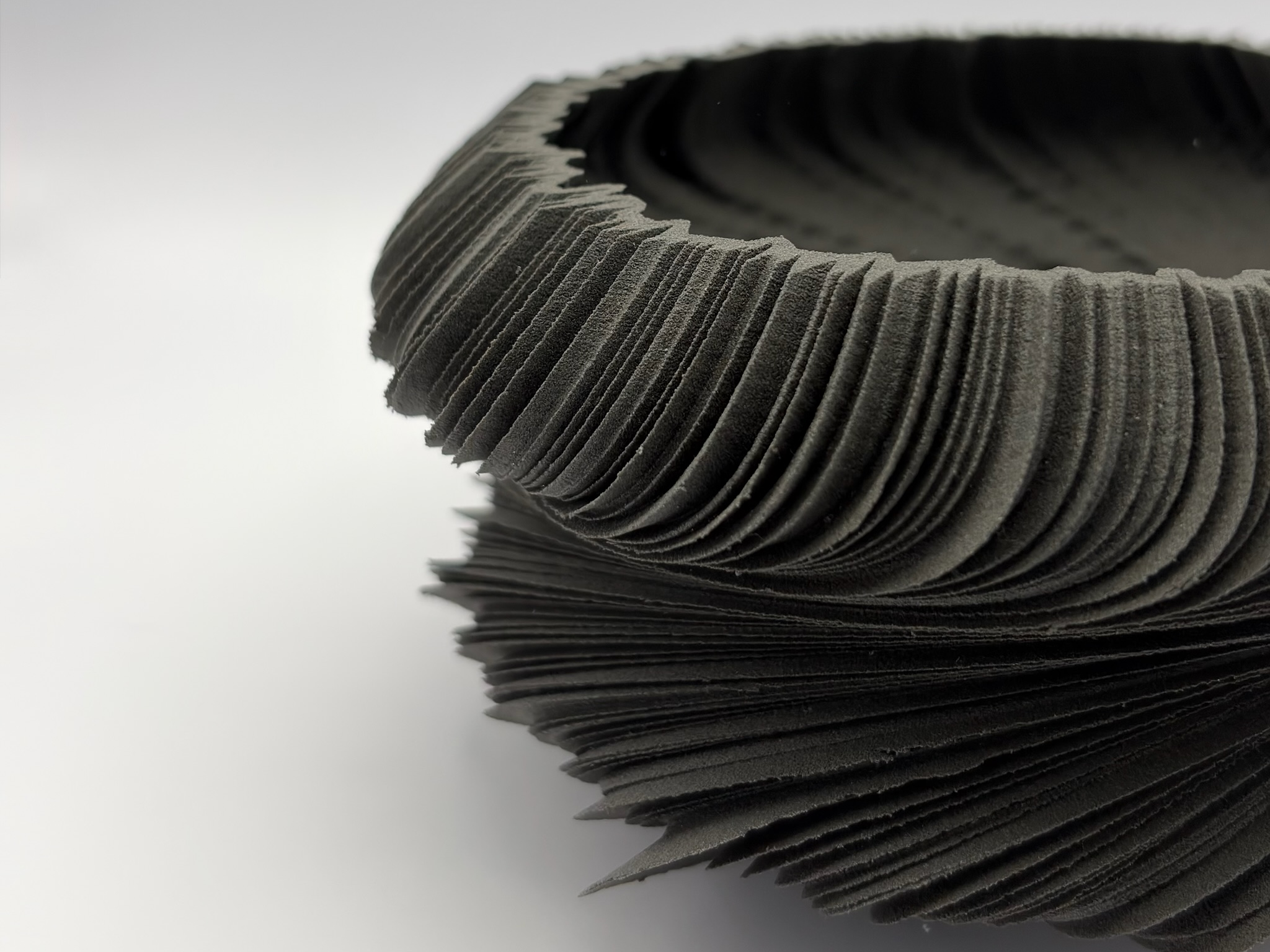
Surface micro-grain varies with sleep efficiency, so quality is communicated through touch as much as through shape.
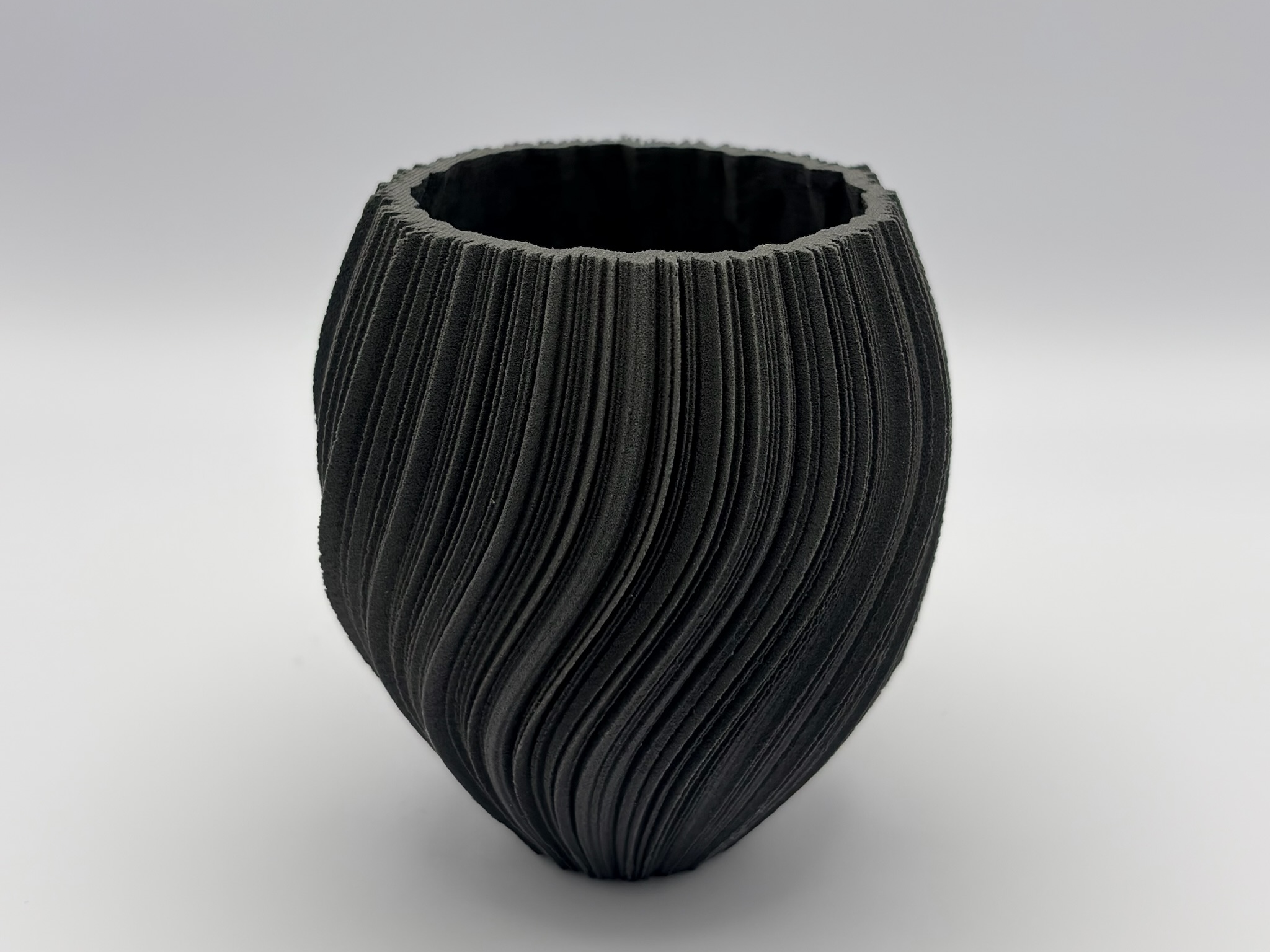
A chronological set that makes better and worse nights easy to compare at a glance.
The series is intended to sit on shelves and sideboards - objects you live alongside, not dashboards you open and close.
A consistent mapping from sleep metrics to physical parameters, so every piece in the series can be read and extended in the same way.
Each parameter is normalised so that differences between nights remain legible without exaggeration. When you line pieces up, real change in the data reads as real change in the objects.
The mapping is documented with specific ranges and units. That makes it possible to recreate an existing series exactly, or to add new nights later while keeping everything aligned.
All rules, measurements, and material choices are archived with the work, so the system can evolve without becoming opaque or arbitrary over time.
Originally produced in SLS Nylon PA12, now refined through Multi Jet Fusion (MJF) for tighter detail and consistency.
The first Sleep Symphony pieces were made in Nylon PA12 on industrial SLS machines. I chose SLS over FDM because it gives access to higher quality engineering polymers and supports the precise, interdependent geometry of the series without support scars.
This made thin walls, sharp internal details, and controlled tolerances realistic - essential when small shifts in geometry are meant to represent genuine differences in sleep.
I later re-ran the same designs through Multi Jet Fusion. MJF delivers finer detail, tighter dimensional control, and very consistent surface quality across a batch, while keeping the mechanical performance I need.
Future Sleep Symphony work will typically be produced in MJF Nylon PA12, but the original SLS series remains fully documented. Both processes follow the same mapping, so new pieces can extend the archive without changing the language of the objects.
I can build a Sleep Symphony collection from your own data, or extend an existing set with new nights.